


If you’ve been exploring at-home skincare devices, you’ve likely come across LED light therapy. From face masks to handheld tools, LED devices promise smoother, clearer-looking skin—without needles, downtime, or complicated routines.
But how does LED light therapy actually work, which colors do what, and how can you use it safely at home? This complete guide from Beautenova explains everything you need to know so you can build a realistic, effective routine with confidence.
Quick takeaway: LED light therapy works best as a consistency-based skincare tool. Gentle, regular use over time often leads to more noticeable improvements than occasional intensive sessions.
Table of Contents
What Is LED Light Therapy?
LED stands for light-emitting diode. In skincare, LED light therapy uses specific wavelengths of light to interact with the skin’s surface. This non-invasive approach is often discussed under the broader concept of photobiomodulation.
At-home LED devices are designed for cosmetic skincare routines—not medical treatments. Rather than delivering heat or damaging the skin, they provide controlled light exposure that supports a more balanced, refreshed-looking complexion over time.
How LED Light Therapy Works
Different wavelengths of light penetrate the skin at different depths. When absorbed, this light may support natural skin processes associated with texture, tone, and overall appearance.
In practice, an effective LED device focuses on three essentials:
- Stable wavelength output
- Even light distribution
- User comfort, which determines consistency
You can explore available device options in our LED Light Therapy collection to see different formats and features.
LED Colors Explained: What Each Light Is Commonly Used For
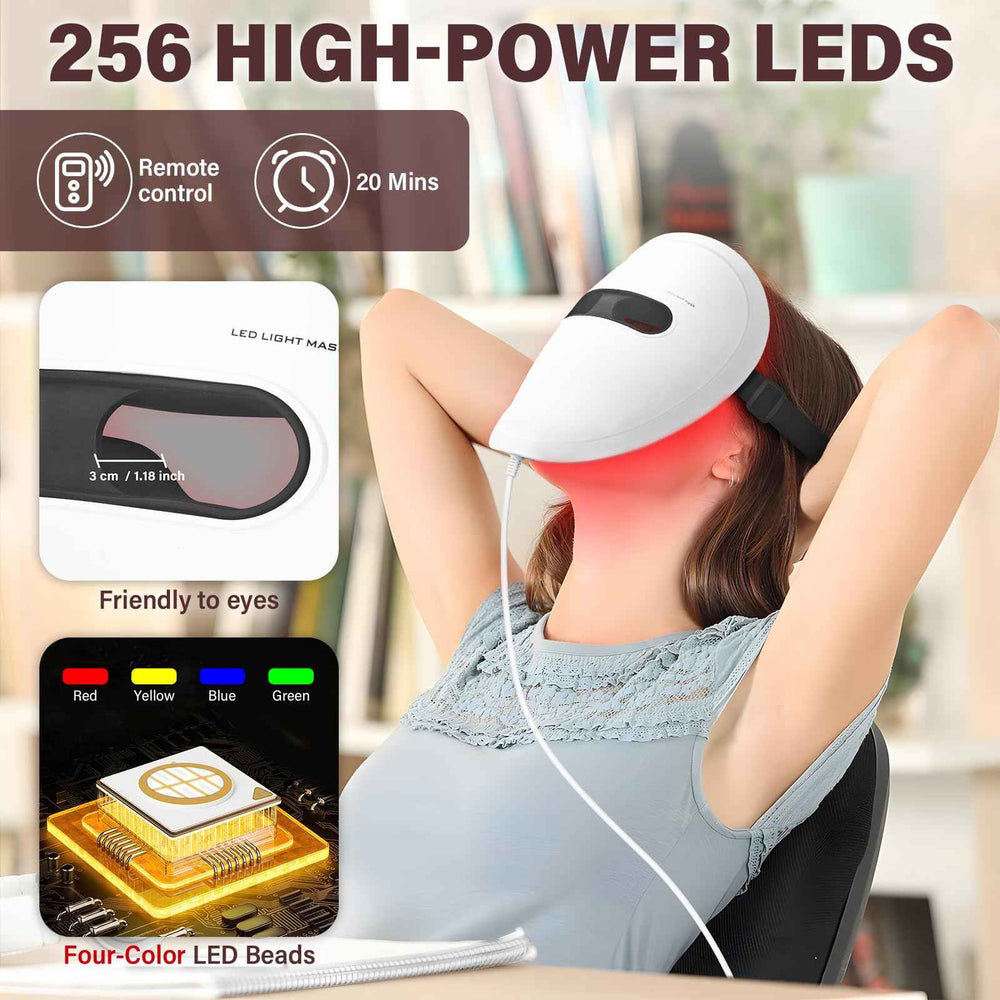
Red Light
Red light therapy is commonly associated with supporting smoother-looking skin and improving the appearance of fine lines. Many people use red light as part of a long-term glow and texture-support routine.
Near-Infrared (NIR)
Near-infrared light is often paired with red light to create a deeper-feeling, more comprehensive skincare experience focused on comfort and overall skin vitality.
Blue Light
Blue light therapy is frequently used in routines for blemish-prone skin. It is often combined with gentle cleansing and barrier-supporting skincare products.
Green Light
Green light is commonly discussed in tone-focused routines and is often chosen by users aiming for a more even-looking complexion.
Amber / Yellow Light
Amber or yellow light is typically positioned as calming and soothing, making it popular for sensitive or reactive-feeling skin.
Note: LED color benefits may vary by device and individual. Focus on comfort, consistency, and realistic expectations.
Key Benefits of At-Home LED Light Therapy
- Supports a more radiant, healthy-looking complexion
- Helps improve the appearance of uneven texture over time
- Fits easily into evening and self-care routines
- Provides a non-invasive alternative to clinic-based treatments
How to Choose an At-Home LED Device
- Device type: Masks for full-face routines, handheld devices for targeted areas
- Comfort: Lightweight, ergonomic designs encourage consistent use
- Session time: 10–15 minutes fits most schedules
- Safety features: Eye protection and clear usage instructions
How to Use LED Light Therapy at Home
- Cleanse thoroughly
- Pat skin dry
- Complete your LED session
- Apply a gentle moisturizer
- Use daily SPF the following morning
Recommended frequency: Start with 3 sessions per week and gradually increase to 4–5 times weekly if comfortable.
Safety & Precautions
- Follow device instructions carefully
- Avoid staring directly into LED lights
- Begin slowly, especially if you have sensitive skin
Disclaimer: This content is for general skincare education only and does not provide medical advice.
Common Mistakes to Avoid
- Using the device inconsistently
- Expecting immediate results
- Overloading your routine with too many new actives
- Skipping daily sun protection
Recommended next step
A multi-color LED face mask can make consistency easier—especially for red and infrared routines.
Shop 7-Color LED Red Light Face MaskFAQ
How long does it take to see results?
Most users assess results after 6–8 weeks of consistent use.
Can LED light therapy replace skincare products?
No. LED works best as a supportive step alongside basic skincare.
Is LED suitable for beginners?
When used as directed and introduced gradually, LED is generally beginner-friendly.
Summary & Next Steps
LED light therapy can be a valuable addition to your at-home skincare routine when used consistently and with realistic expectations. Choose a device that fits your lifestyle, keep your routine simple, and give your skin time to respond.
About Beautenova
Beautenova focuses on advanced beauty technology designed for modern at-home routines—combining professional concepts with everyday usability.


